How We Lab Test Our Coffee For Caffeine
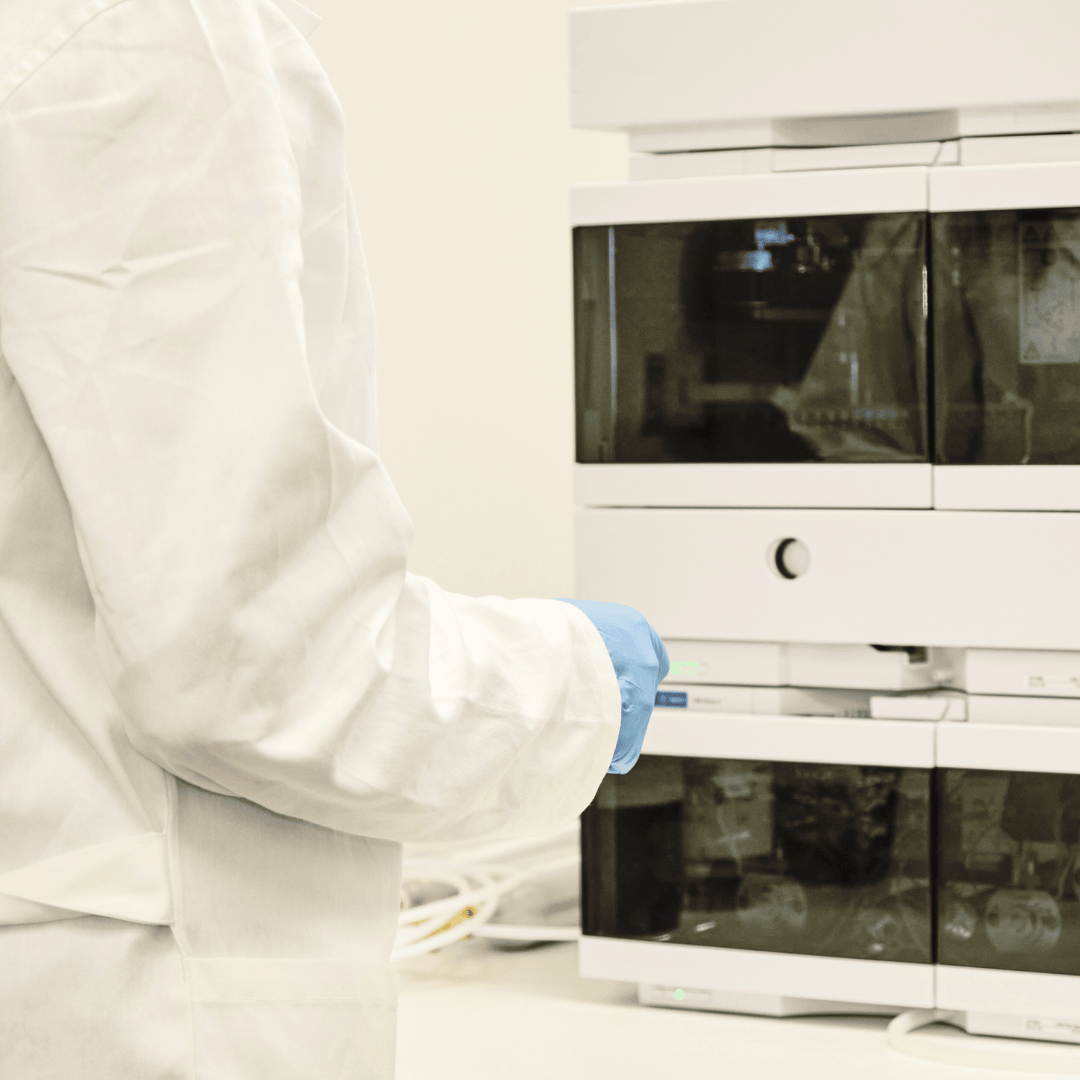
Person in a lab coat and gloves operating laboratory equipment to test caffeine content.

Lab tested, not estimated

Most coffee described as "low caf" is never actually tested for caffeine. It is sold on the reputation of a variety and the customer is asked to take it on trust.

We do it differently. Every low caf coffee we sell is lab tested for its caffeine content before we roast it, so the figure on the website is a measured result, not an estimate.

Why naturally low caffeine coffee needs testing

Decaf is straightforward - the caffeine is removed by a rigourous process until almost none remains. In terms of caffeine, one decaf is much like another.

Naturally low caffeine coffee is different. Varieties like Laurina, Aramosa and Excelsa contain less caffeine because of the plants genetics, not because of any additional processing. But caffeine content varies from variety to variety and from farm to farm. It can be as low as 0.4% and as high as 1.0% - the only way to know the true level in a given coffee is to test it.

That is why we test. Without testing, "naturally low caffeine" is just a claim. Testing is both proof and a useful number for the caffeine conscious coffee drinker.

How We Test

We test the raw, unroasted ("green") coffee for caffeine content before it is roasted. Testing is carried out using High Performance Liquid Chromatography (HPLC) - a widely used analytical technique for separating and measuring individual compounds in food and drink.

The result is expressed as caffeine by weight, as a percentage, of the coffee as received. For reference:

  • Most regular arabica coffee contains roughly 1.2% to 1.4% caffeine.
  • Our Explorer low caf coffees typically test between 0.6% and 1.0%.
  • Our Rarities (ultra-low) coffees typically test between 0.4% and 0.6%.

What this looks like in practice

Each coffee carries its own tested figure. As an example:

  • Low Caf South Sudan Equatoria (Explorer) - 0.73% caffeine
  • Low Caf Brazil Daterra TB13 (Rarities) - 0.52% caffeine

These are the measured results for those specific lots. With this information you can use our caffeine calculator to estimate the amount of caffeine in your cup.

Person using a coffee brewing device with a ceramic mug on a wooden surface.

Why we bother

We think people who are mindful of their caffeine deserve to know what they are actually drinking. Whether you are cutting back for sleep, sensitivity or your own reasons, a measured figure lets you make an informed choice. We think that is low caf done properly.

Measure what matters

A brief note on what we don’t test for - and why.

You may have seen coffee sold on long lists of lab tests: moulds and mycotoxins, pesticides and heavy metals. We’ve thought carefully about these, and we choose to test for caffeine alone. 

Tests like these measure things that are already controlled - by law and by sensible best practice. Coffee sold in the UK has to meet strict legal limits for things like mycotoxins and pesticide residues, and good sourcing and careful coffee storage matter more than a certificate. A test that almost always comes back well within those limits tells you very little, however impressive the list looks.

For moulds and mycotoxins, we reduce risk at the source, and with appropriate coffee storage. We work with green coffee suppliers who follow best practice at origin - carefully controlled drying and storage, keeping the coffee within recommended moisture levels (9–12%). This matters because mould needs moisture to grow, so coffee that is properly dried and kept dry has little opportunity to develop it in the first place. We check moisture as the coffee arrives at the roastery, and because we’re a small roastery that roasts every batch by hand, we see and inspect every coffee we sell, green and roasted - something large-scale, automated or outsourced roasting simply can’t do.

Antioxidant or “superfood” scores are a different problem: the headline numbers often come from lab measures that don’t translate into any real effect once the coffee is in you. They make for striking marketing and mean very little in practice.

Caffeine testing is more useful. Caffeine levels in our coffees vary significantly from one coffee to the next - from under 0.1% in decaf, to 0.4-1.0% in naturally low caf coffees to 1.2-1.4% in a standard arabica. Caffeine is the one thing that genuinely changes how a cup affects you - whether the caffeine boost is a help or a hindrance, and how you sleep later. It’s measurable, it’s meaningful, and it’s a number you can actually act on. So it’s the number we measure, and the one we publish.

That’s what we mean by measuring what matters. If you have a question about caffeine, testing or any of our coffees, we are always happy to hear from you. Just email us at hello@calmcoffeeroastery.co.uk